About me:
My name is Hayden T. I transferred from Texas Tech my junior year and am currently a senior at St.Edwards. This Blog will be geared towards everything mushrooms, including foraging, Lab work, and where the current market is headed.
Road map
- foraging ID/edibility — Post 1
- Lab etiquette and operations —- Post 2
- Overview of market trends — Post 3
How do you plan to showcase your expertise?
I Plan to showcase my expertise by starting with basic identification, then the plan is to move into a lab setting where you can use the ID knowledge from the first post to do more advanced mycological work such as strain match ups isolating phoneotypes ect. I intend to end the blog with a post on market trends and where I feel the industry is headed.
Foraging Identification and Edibility :
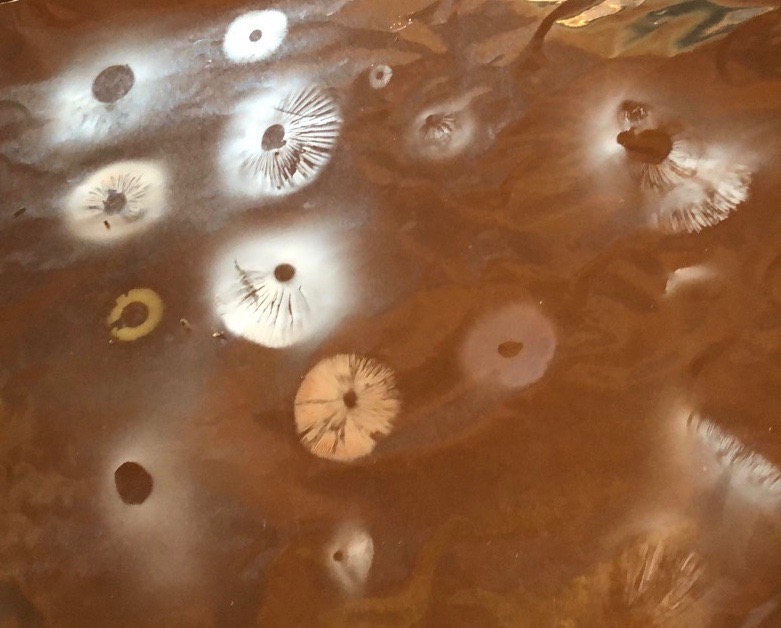
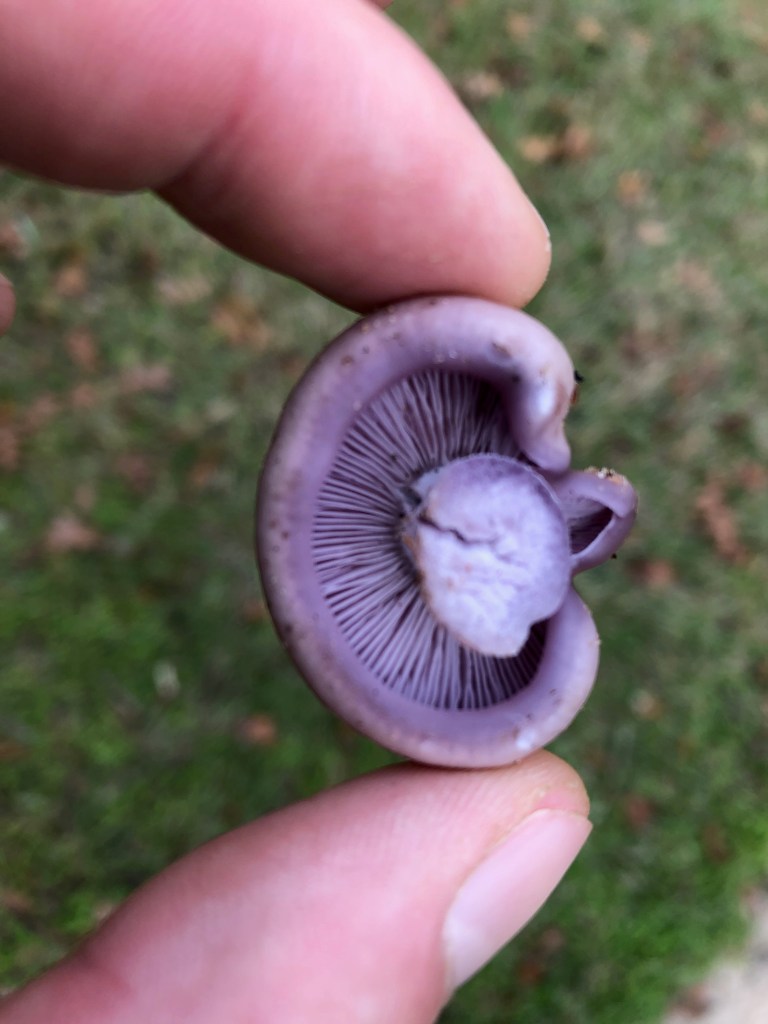
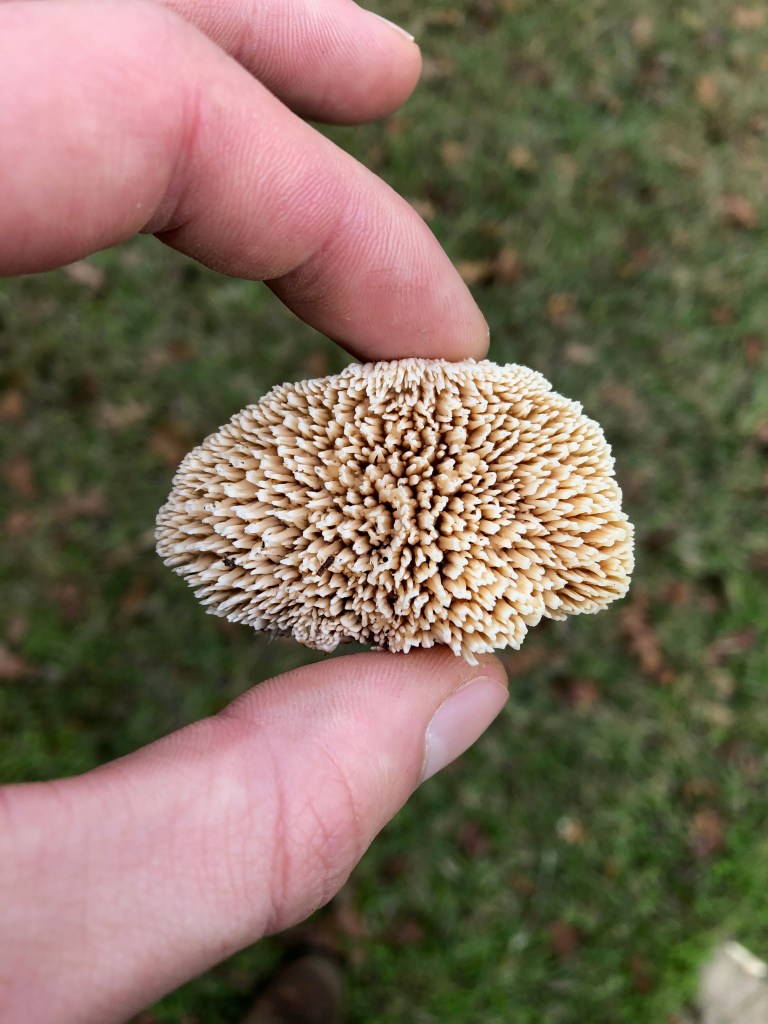
When picking mushrooms in the wild it is always a good idea to go into it with a plan. Especially if you are just learning. By plan I mean identify the season and conditions you will be foraging in and make a list of 3-4 species that you will be trying to find. This approach in my experience helps tremendously when just starting out because it narrows the characteristics you are looking for. If you were to just pick every mushroom you saw you would likely spend the next several hours or days trying to ID them, depending on your knowledge level. Two books I would recommend are Mushrooms Demystified and Texas mushroom identification. Of the two Mushrooms demystified will give you the best shot at identifying what you have found. The three easiest characteristics to identify are gill structure, spore coloration, and chemical reactions. There are several different varieties of gill/pore structures that help to narrow it down, most of the time you’ll be able to accurately identify the genus by the gills or pores alone. Spore coloration is observed by taking a spore print. Taking a spore print is as simple as detaching the cap from the stem, and laying the cap on a clean piece of paper or tin foil. Typically placing a cup or cloth over the cap helps to preserve the print and the cap while the spores are dropping. It typically takes around 5-8 hours to get a thick print. Spores vary dramatically in color and it helps to have black and white paper to provide better visibility when taking prints. The three reagents most commonly used are FeSO4 (Dilute ammonia), NH4OH(Iron sulfate ), and KOH(potassium hydroxide ) all of which are aqueous solutions. In my experience, I have found these reagents to be quite useful. In the book I mentioned earlier, Mushrooms Demystified, it will note which reagent the given species will react with, and what to look for.
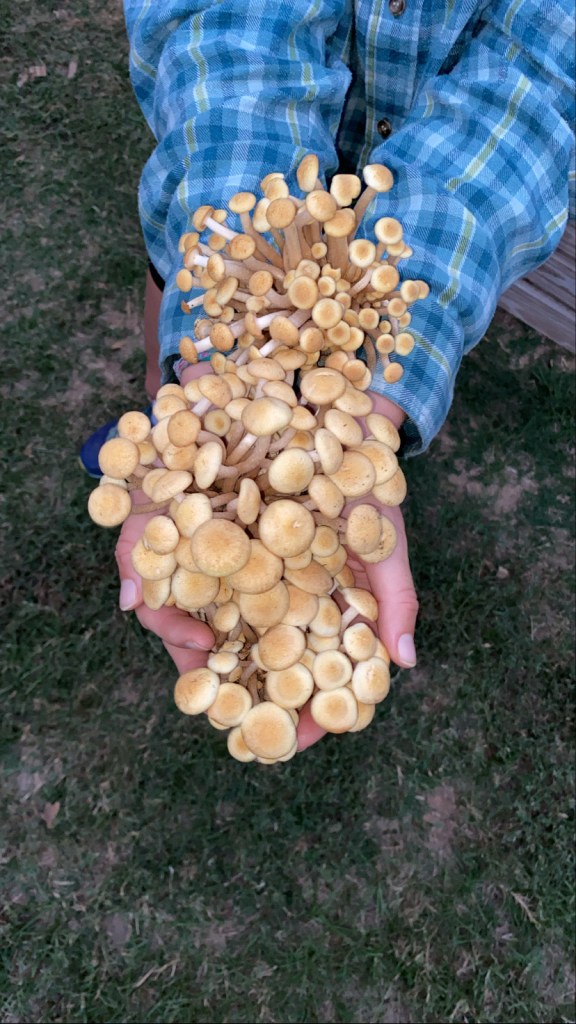
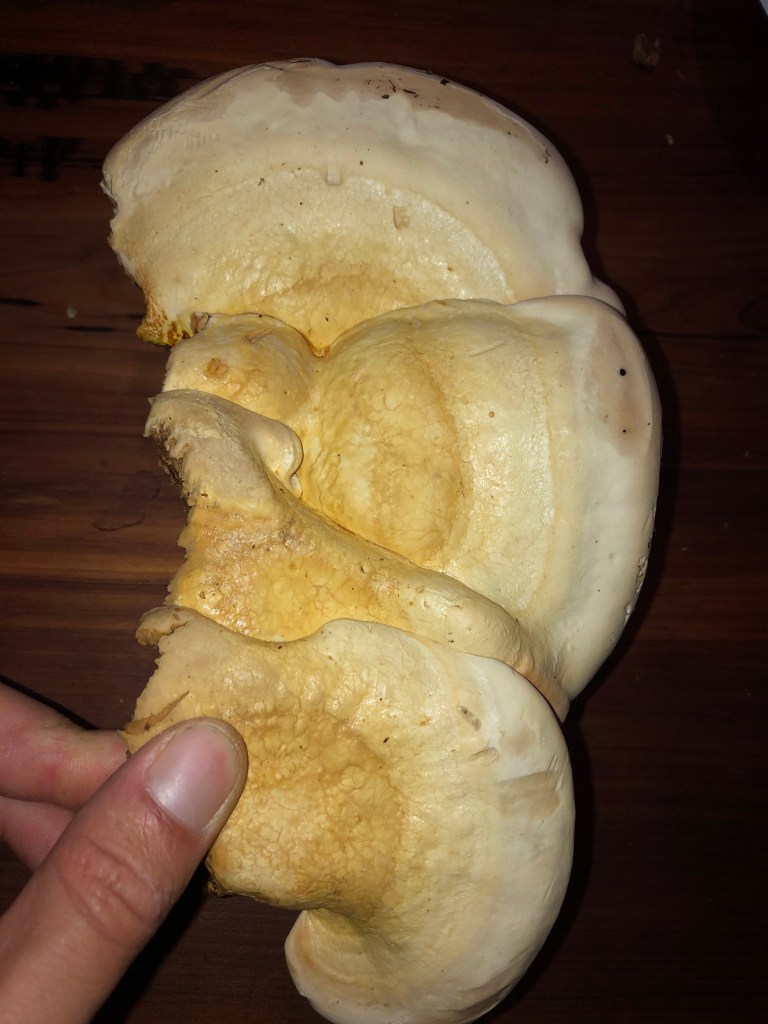
It is typically best to err on the side of caution when eating mushrooms you have foraged for this first time. I personally do not eat anything I am not at least 90% sure about. I gauge my sureness by checking off as many characteristics as I can. The best way to become comfortable with foraging and confident in your identification skills is to find a mentor. I have found having a trained eye around when you are learning is extraordinarily beneficial. A mentor can put you on to subtle nuances that would otherwise go unnoticed.
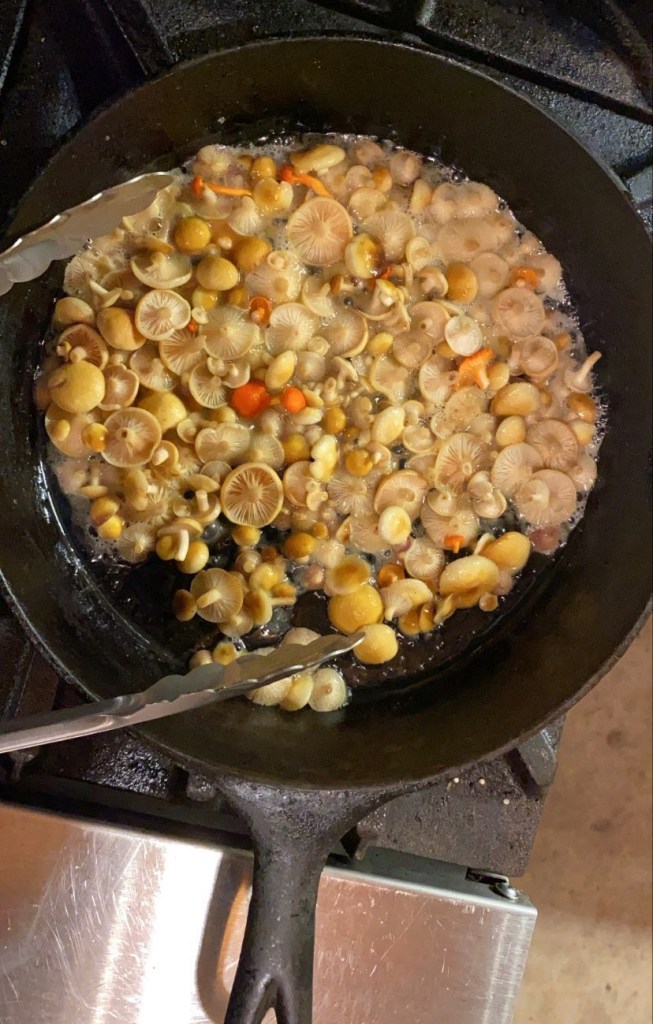

In my opinion, forging for mushrooms is a very rewarding experience. I would strongly recommend reading a couple of books on identification before you eat anything. While there are a lot of delicious varieties out there, there are also some that can make you very sick or in some cases even cause death.
 Mushroom Blog